
Ride the Rails to Powder: Car‑Free Ski Weekends Across Canada
Leave traffic behind and lean into effortless connections. We’re exploring Ski Weekends by Train and Shuttle: Car‑Free Access to Top Canadian Resorts, sharing practical routes, gear tips, and real-world timing that turns a rushed break into restorative turns. From city platforms to snowy base areas, learn how to simplify logistics, save money, and ride more laps. Subscribe, share your favorite connections, and let’s build a community of rail-and-shuttle skiers who maximize weekends without touching a steering wheel.

Plan a Seamless Departure
{{SECTION_SUBTITLE}}

Booking windows and seat strategies
Secure seats as early as possible for better fares and layout choices near luggage racks or end-of-car storage. If you’re riding after work, aim for trains that avoid heavy commuter crunch. Add refundable options when storms threaten changes, and keep boarding documents offline for spotty station Wi‑Fi. Build a 30–60 minute buffer before your shuttle, and you’ll protect your stoke from minor delays.

Connecting shuttles that truly sync
Match shuttle departures to your actual arrival, not the ideal timetable. In Vancouver, several operators run frequent coaches to Whistler from central pickup points; in Kamloops, book Sun Peaks transfers that monitor rail schedules. Around Quebec City, reliable shuttles reach Mont‑Sainte‑Anne and Stoneham with room for skis. Confirm ski bag capacity, curbside locations, and after-hours contacts, then screenshot confirmations for quick reference in cold stations.
Routes That Deliver Weekend Turns
Canada’s rail corridors put real mountains within easy reach when paired with dependable shuttles. Ride into gateway cities, then hop a coach to snow. Keep expectations flexible around winter timetables, and prioritize operators that track inbound trains. Whether you favor coastal storm cycles, interior powder, or Quebec’s lively après, these pairings keep you moving smoothly from platform to peak without paying for parking, gas, or chains.

Vancouver gateway to Whistler and Sun Peaks
Roll into Vancouver’s central station, stretch, and step onto frequent coaches bound for Whistler’s pedestrian village, where car-free living shines. Prefer drier snow and a laid-back vibe? Target Kamloops as your rail stop and transfer to Sun Peaks; the village-to-lifts layout is wonderfully walkable. Both connections reward early booking, careful luggage labeling, and an appetite for late-night ramen or bakery breakfasts before first gondola.
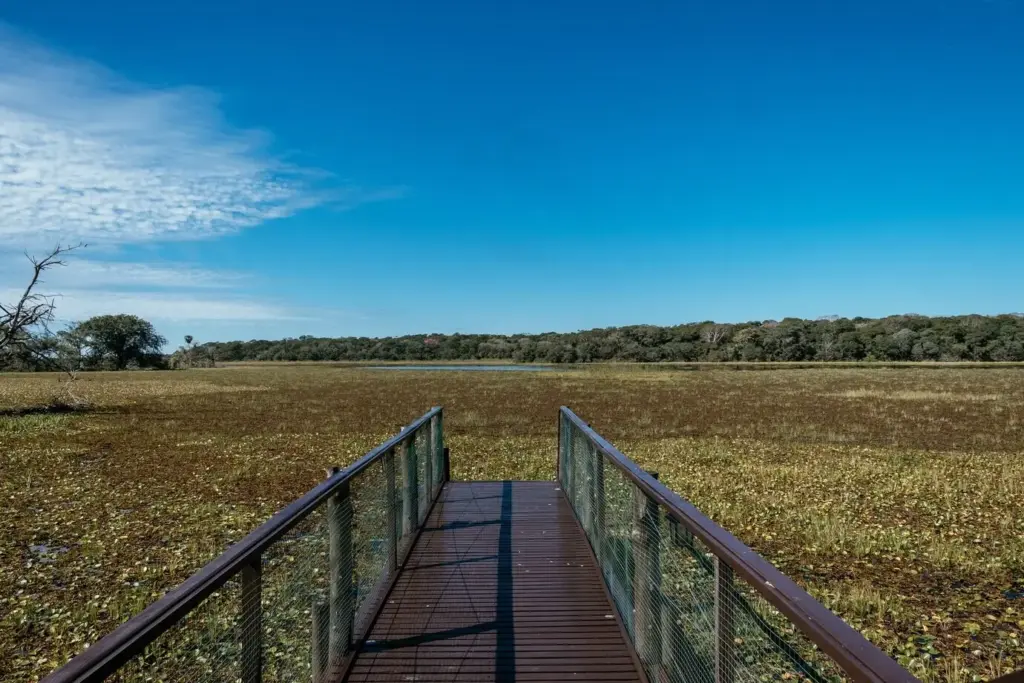
Edmonton to Jasper’s Marmot Basin
Settle into a classic overnight rail journey and wake beneath the Rockies in Jasper. Lodging is clustered and shuttle buses run to Marmot Basin with generous ski and boot storage. Many riders stash bags at their hotel, ride the first two hours of groomers, and refuel in the chalet before chasing soft stashes off the upper lifts. The return is equally simple: shuttle, snack, and board for a scenic glide home.
Pack Light, Ski Strong
Your bag should carry confidence, not excess. Choose a streamlined kit that handles storm days and bluebirds: layered shells, breathable mid‑insulation, and reliable gloves. Consolidate chargers, use compression cubes, and keep boots in a backpack with a protective tarp for station floors. Label every piece clearly. The lighter you travel, the faster you can pivot, reroute, or sprint toward an unexpected shuttle that puts you ahead of the line.

The ultralight ski kit that still rips
Build around a three‑layer shell, a midweight active insulation, and merino base layers that dry quickly between sessions. One versatile goggle lens plus a low‑light spare saves space. Shorter ski bags strap neatly; boots ride backpack‑style to free hands. A compact repair pouch with scraper, multi‑tool, and spare screws solves surprises. Keep it lean, warm, and easily reconfigured for sudden storm totals or sun-crust mornings.

Food and hydration you can bring
Pack leakproof containers, salty snacks that won’t crumble, and a collapsible bottle filled post-security or at station fountains. A thermos of soup transforms a cold-platform wait into comfort. Mountain cafeterias get busy; your pocket lunch buys extra laps. Respect scent rules in rail cars, keep waste minimal with reusable cutlery, and treat yourself to one local pastry that signals vacation the moment you board.
Two-Day Itineraries That Work
Short trips thrive on rhythm: arrive calm, ski early, eat well, and sleep enough to feel springy on day two. Use alarms not only for wake-ups but for shuttle lineup windows and last lift. Reserve dinner near your lodging. When weather shifts, pivot instead of pushing through fatigue. The win is consistent laps, warm toes, and a return train where you’re smiling, not sprinting.
Money, Passes, and Perks
Car-free weekends can cost less than driving, especially when you tally rental insurance, parking, fuel, and winter highway risks. Stack early-bird rail fares with midweek lift deals or multi-resort passes that match your destinations. Choose walkable lodging to avoid taxis and store snacks for breakfasts. Track seasonal promos, student or youth discounts, and regional bundles. Smart planning puts savings into extra laps, lessons, or that dream demo setup.

Comparing costs honestly
List every line item for both options: rental car, gas, tolls, parking, roadside add‑ons, versus train fare, shuttle, and luggage fees. Include stress costs like winter driving fatigue. Rail lets you rest, read the snow report, and arrive fresh. When you divide by actual ski hours, the car‑free route often wins on value, comfort, and sheer reliability during storm cycles that snarl highways for hours.
Lift passes that pair well
Audit where you actually plan to ride and match passes accordingly. Some interior and Quebec resorts participate in multi‑mountain products or reciprocal discounts; others offer sharp two‑day bundles and night‑ski add‑ons. Buy online before arrival to skip ticket windows. Consider passport-style promotions that unlock bonus days regionally. The right pass removes friction, frees your timeline, and keeps you lapping when crowds line up for sales kiosks.

Lower emissions, higher stoke
Swapping car trips for rail dramatically lowers per‑person emissions, especially on busy corridors. Fewer vehicles mean quieter streets, cleaner air, and easier snow removal in resort towns. The ride itself becomes part of the adventure: a sunrise over frozen rivers, waxing tips traded with strangers, and a calm arrival ready for first chair. Celebrate every car left parked at home with an extra lap for the planet.
Welcoming more riders to the mountains
Car‑free access helps newcomers, students, and families who prefer not to drive winter roads. Predictable schedules reduce stress for neurodiverse travelers, and walkable bases simplify mobility needs. When we normalize boarding with ski bags, we widen the tent. Say hello at shuttle doors, give up a seat when you can, and post wayfinding notes online. Small gestures transform travel days into supportive, memorable journeys.
All Rights Reserved.